

MSC is seeking about US$230,000 from customer CargoLoop for losses linked to a fire aboard an MSC vessel that the carrier says originated in CargoLoop’s cargo.
Mediterranean Shipping Company (MSC) has filed suit in New York against customer CargoLoop, seeking about US$230,000 in compensation for losses arising from a shipboard fire allegedly caused by the customer’s cargo.
Source: The Maritime Executive
According to the complaint, CargoLoop, an international vehicle-logistics specialist, shipped a container of damaged electric vehicles with MSC in August 2023 from California to Lithuania. The bill of lading disclosed the vehicles’ ages and their IMDG Code classification, and MSC accepted the shipment.
CargoLoop used wooden racks to secure the vehicles and stacked at least one car above another to maximize space, a loading arrangement that later became central to the investigation.
In the early hours of September 2, 2023, a fire and explosion broke out aboard the MSC Carlotta while the vessel was sailing near Mexico’s Baja California peninsula.
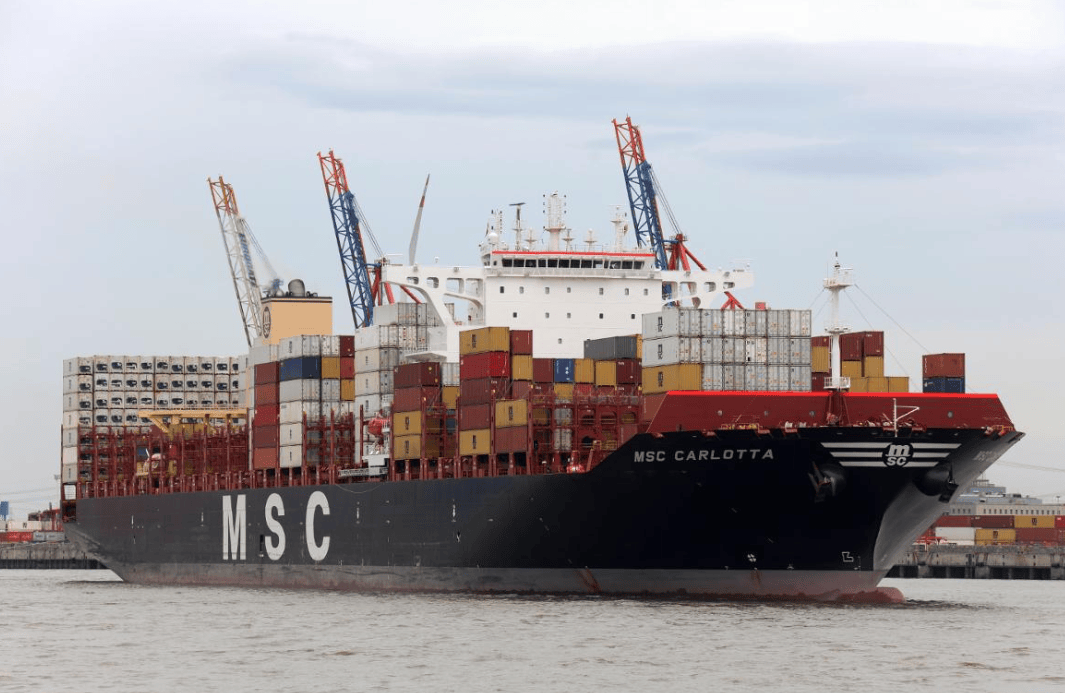
The MSC Carlotta
MSC says the explosion began in one CargoLoop container and spread to another container carrying electric vehicles. Several other containers were also damaged. The crew extinguished the blaze, and the vessel diverted to Mexico for discharge and inspection.
An inspection commissioned by MSC concluded that the fire began near a 2018 Tesla Model S and a 2012 Ford Focus, with the Ford loaded below the Tesla.
MSC argues that the wooden rack may have failed during transit, allowing the Tesla to crush the Ford and damage a battery. Similar rack failure was found in another CargoLoop container on the same voyage. MSC also says batteries may have been damaged during handling or may not have been disconnected before shipment.
The carrier is claiming approximately US$60,000 in investigation costs, US$60,000 in settlements paid to other cargo interests, US$86,000 in additional handling and disposal costs, and US$25,000 for container losses.

Maritime enforcement officers inspect electric vehicles carried in a container.
The case again highlights the risks of transporting electric vehicles by sea. High-capacity lithium batteries can enter thermal runaway, spread fire rapidly and prove difficult to extinguish.
The IMO’s IMDG Code Amendment 42-24 further refines the classification of electric vehicles and became mandatory on January 1, 2026. The IMO is also developing new requirements for fire prevention, detection and suppression systems aboard ships carrying electric vehicles.
In practice, every stage—from packing and securing to declaration and carriage—requires strict controls. Shippers, carriers, manufacturers and regulators must strengthen safety awareness and technical standards across the transport chain.


