

COSCO SHIPPING Holdings reported net profit attributable to shareholders of RMB 13.42 billion in the first half of 2026 and announced orders for 18 new container vessels.
On August 28, COSCO SHIPPING Holdings released its 2026 interim results. Revenue reached RMB 111.92 billion, up 2.59% year on year, while net profit attributable to shareholders reached RMB 13.42 billion. Second-quarter net profit was RMB 7.54 billion, up 28.33% quarter on quarter.
The company also announced an interim cash dividend of RMB 0.43 per share, representing about 49% of net profit attributable to shareholders.
In the first half, COSCO SHIPPING Holdings’ container shipping volume reached 14.28 million TEUs, up 7.52%, while shipping revenue rose 2.38% to RMB 107.30 billion. Its controlled terminals handled 16.89 million TEUs, up 2.50%, with revenue rising 8.30% to RMB 6.33 billion.
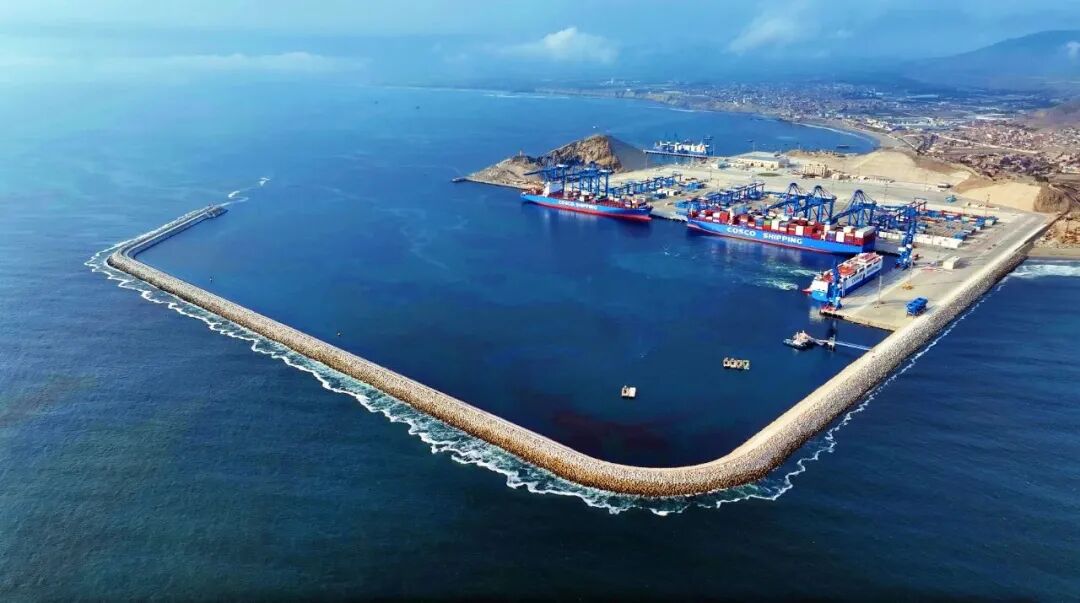
The company continued to promote integrated development across container shipping, ports and related logistics. It opened and upgraded routes including the Chancay CHX3 feeder service, Southeast Asia–South Asia SIS2 service, Yangpu–Haiphong direct service and Far East–South Africa trunk service.
As of the end of July 2026, COSCO SHIPPING Holdings operated 606 container vessels with capacity of about 3.66 million TEUs. Including owned newbuilding orders and leased capacity under construction, its total existing and ordered capacity exceeded 5.3 million TEUs.
On August 28, the board announced new orders for 12 LNG dual-fuel 22,000 TEU vessels and six 3,200 TEU wide-beam container vessels.
The company said the new vessels will support its competitiveness on Europe and North America trunk routes, expand emerging and regional markets, enhance supply chain resilience and provide long-term capacity support.
COSCO SHIPPING Holdings also accelerated digital and green transformation, including AI-powered supply chain tools, electronic bills of lading, intelligent dangerous goods management and full-chain green logistics products.
Looking ahead, the company said the container shipping market will face both opportunities and challenges. Emerging and regional markets remain key growth drivers, while geopolitical risks, tariff policy changes and new vessel deliveries will continue to reshape global trade and liner shipping competition.


